- Old Money Italian
- Posts
- Spring on Lake Como
Spring on Lake Como
The Quiet Rituals of Old Money

Old Money Italian
March 28, 2026
FThere is a particular stillness to Lake Como in the spring, a hush that feels less like absence and more like restraint. Before the high summer crowds arrive and the villas fill with the noise of modern spectacle, the lake belongs, once again, to those who have always known it best.
Old money does not “vacation” here. It returns.
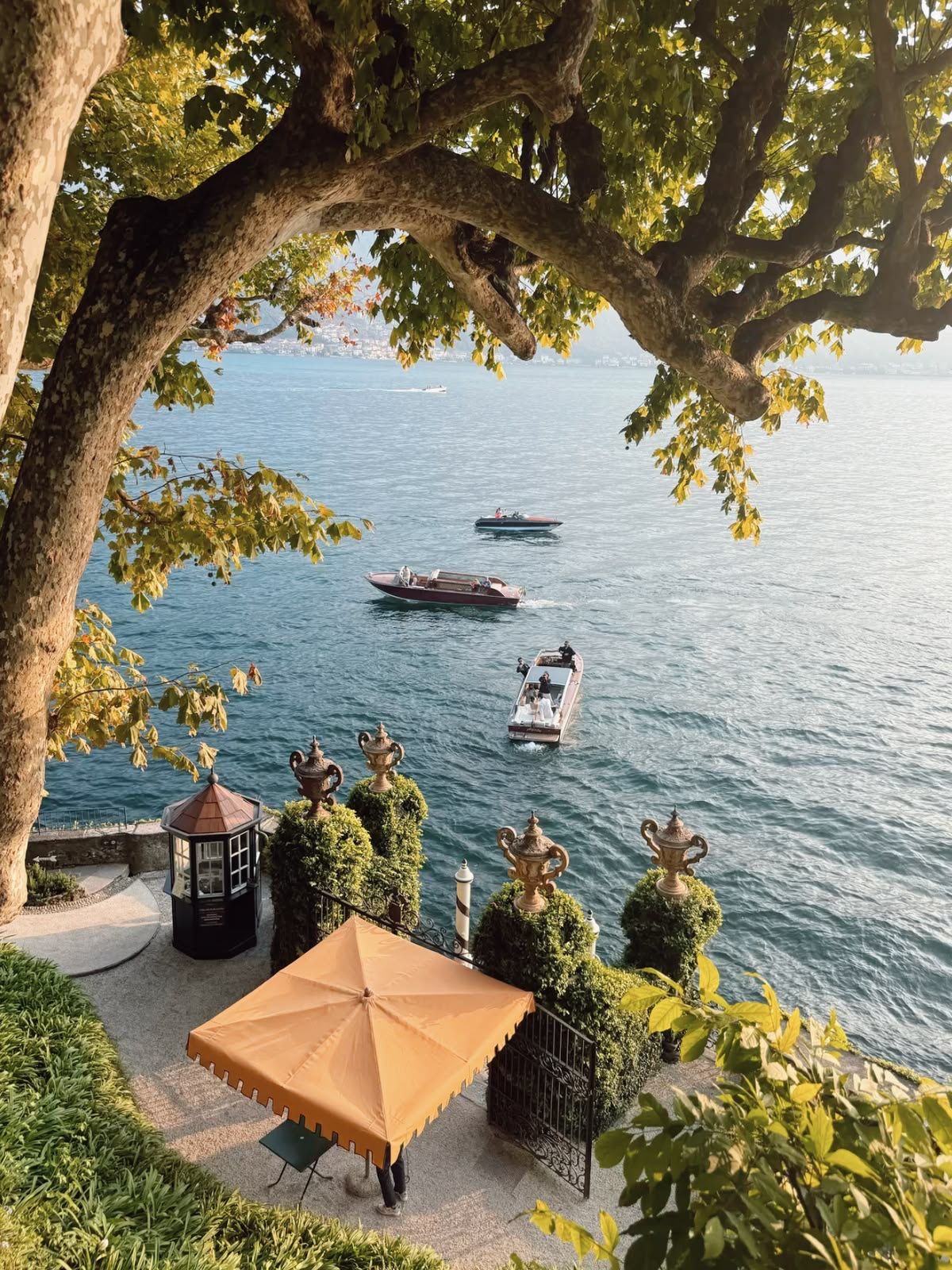
Mornings begin early, though not hurried. Shutters open to pale light slipping across the water, and breakfast is taken without ceremony: strong coffee, fresh bread, perhaps fruit from a garden that has been tended by the same family for decades. There is no need to photograph the view; it has been memorized across generations.
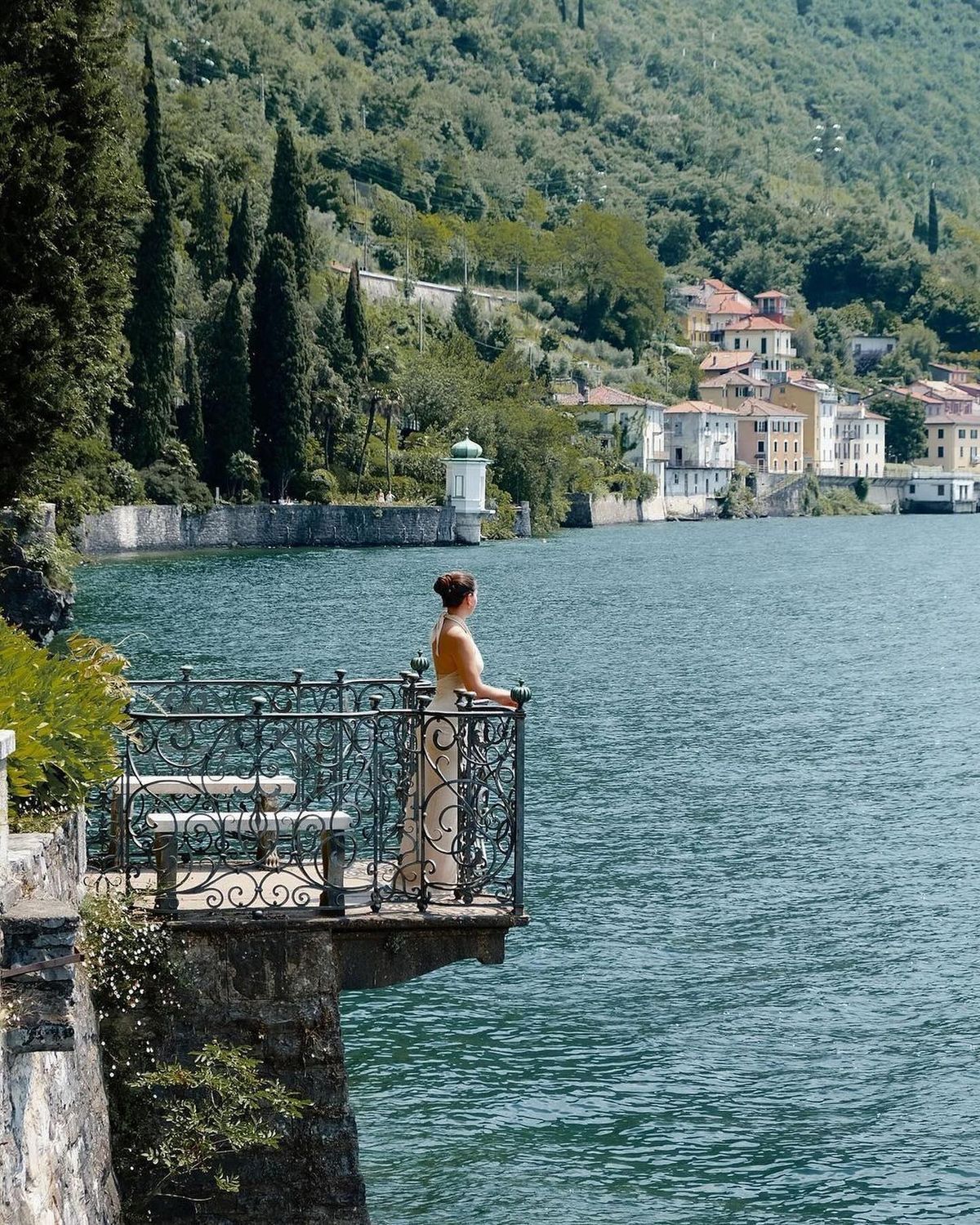
The villas themselves tell the story. Not pristine, not performative, lived in. Walls hold the soft patina of time, and the gardens are guided rather than controlled. Wisteria spills where it pleases. Cypress trees stand like quiet sentinels. Boats, often wooden and impeccably maintained, are not rented but inherited, their presence as expected as the mountains framing the lake.

Days unfold without agenda. A slow boat ride to a neighboring village. A visit to a long-familiar tailor or grocer who requires no introduction. Lunch stretches into afternoon, simple, precise, and seasonal. Risotto, lake fish, white wine served without discussion. There is an understanding that the best things do not need to be improved upon.
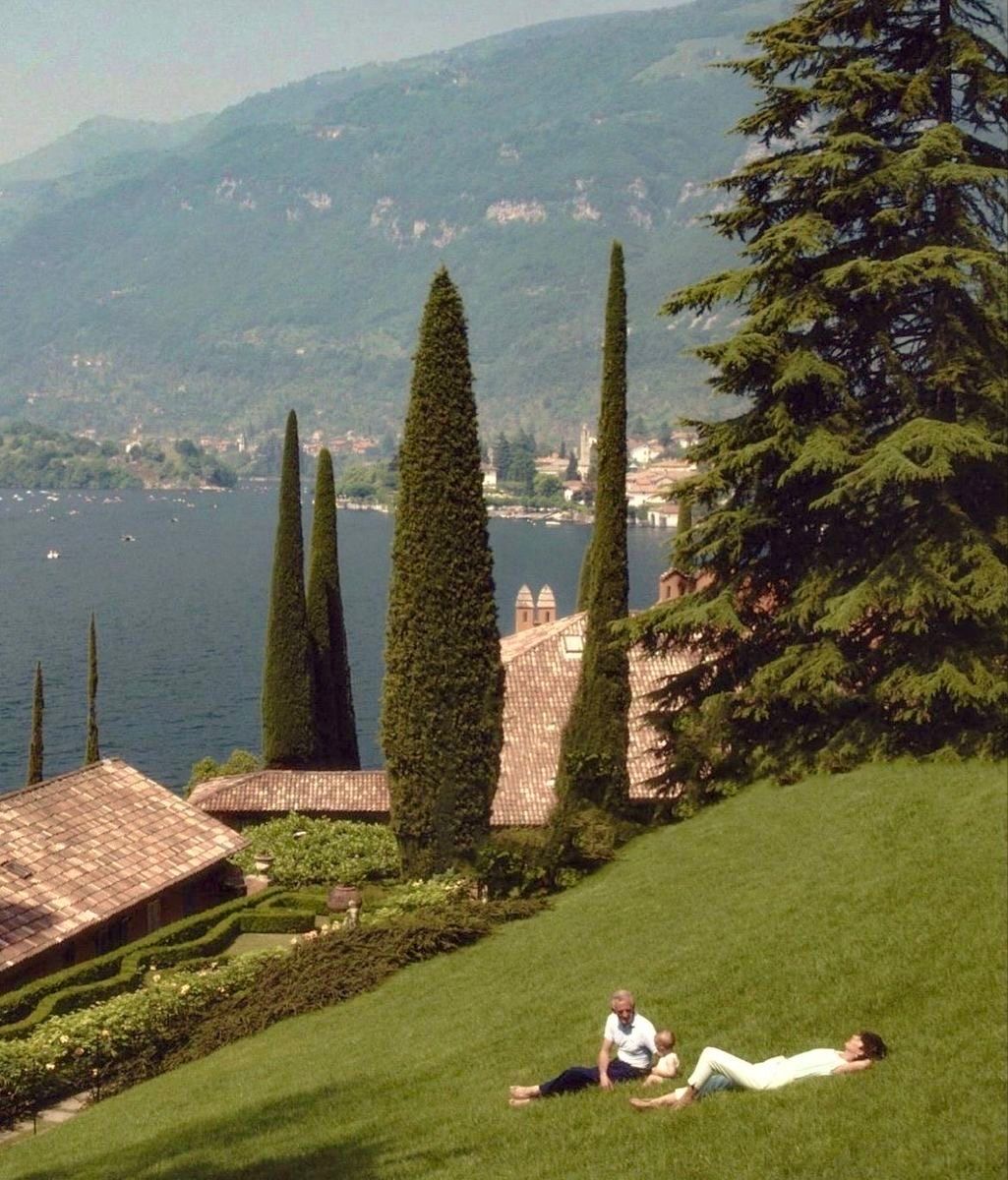
Afternoons are for reading, for walking, for conversation that drifts as easily as the water below. Guests arrive, but they are never announced loudly. They have been coming for years, often staying in the same rooms, knowing exactly which doors creak and which windows catch the best breeze.
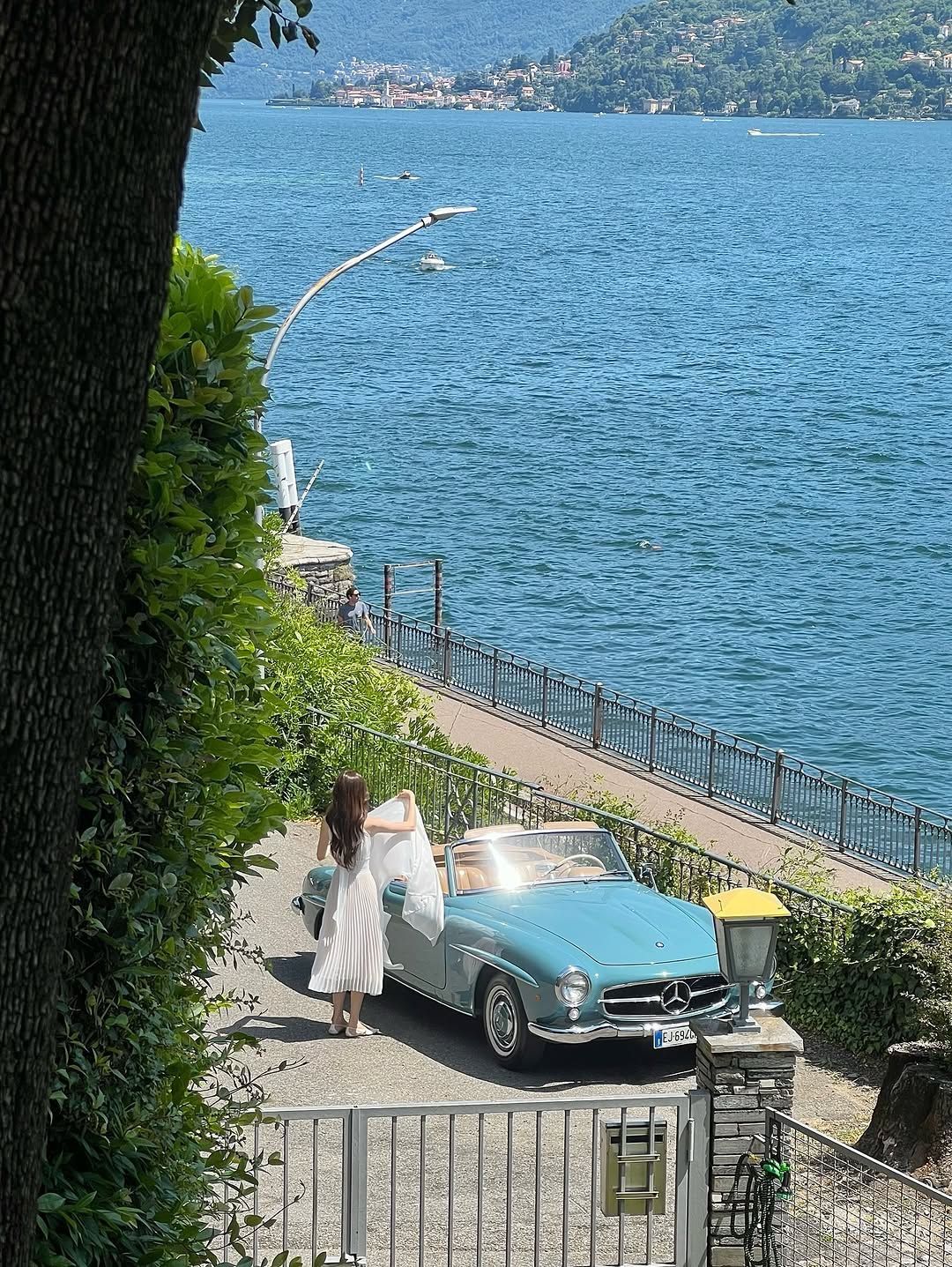
Style, here, is instinctive. Linen, cashmere, soft leather, worn, not displayed. Nothing is new in the obvious sense, yet everything feels considered. The absence of logos is not a statement; it is simply the default.

Evenings bring a subtle shift. Candles appear. Jackets are worn, though ties are optional. Dinner is unhurried, as always, and conversation lingers long after plates are cleared. There may be laughter, but never excess. The lake darkens, reflecting only fragments of light, and the world beyond feels comfortably distant.
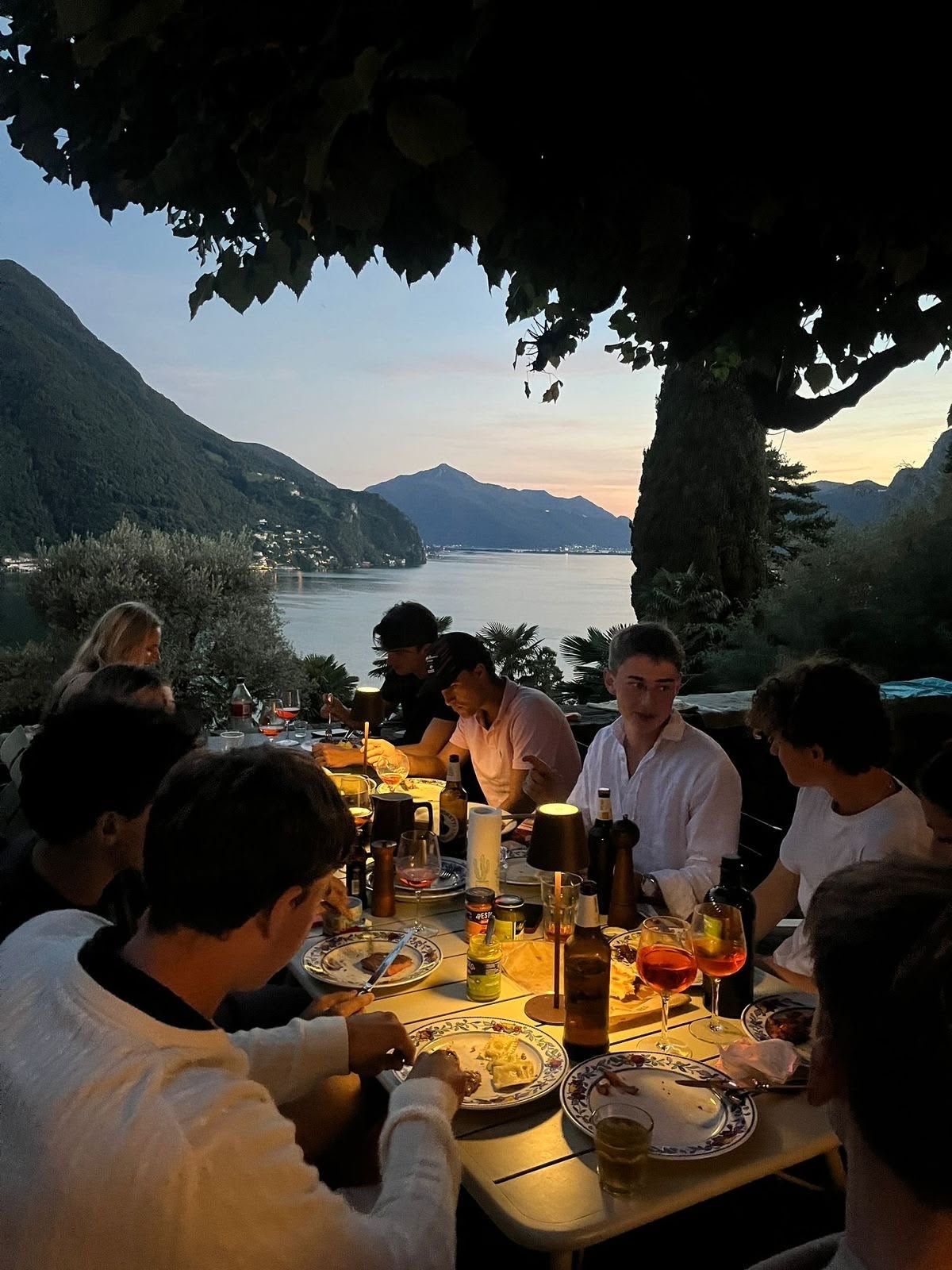
What defines old money on Lake Como is not wealth itself, but continuity. A relationship with place that cannot be purchased, only maintained. Traditions are not revived for effect; they have simply never been interrupted.

And perhaps that is the real luxury of spring here: not exclusivity, but permanence. A sense that, while the world accelerates elsewhere, this small corner of it remains exactly as it intends to be, unchanged, understated, and entirely its own.